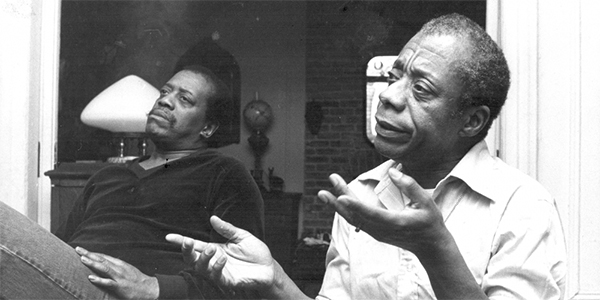
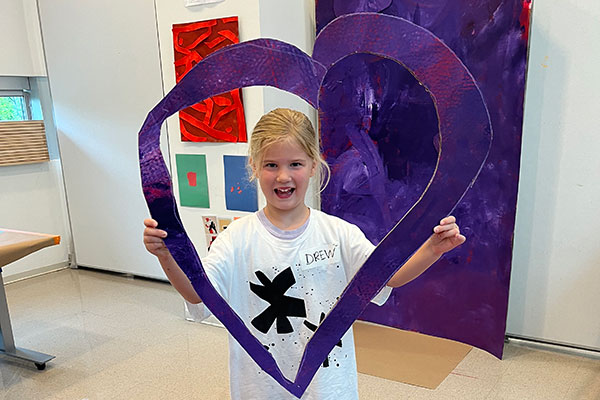
All Events Dates Event Type - Any -FilmExhibitionLectureTourMember EventCafe ModernShop ModernPerformancesAdult ProgramTeen ProgramChild ProgramAdult and Teen Program Apply Reset Exhibition Highlights from the Permanent Collection 1/22/24 - 4/28/24 Exhibition Surrealism and Us: Caribbean and African Diasporic Artists since 1940 3/10/24 - 7/28/24 Film Wildcat Sunday 6/9/24 2:00 PM Film Wildcat Sunday 6/9/24 4:00 PM Child Program Art Camp, Ages 5-7 Monday 6/10/24 10:00 AM Child Program Art Camp, Ages 5-7 Tuesday 6/11/24 10:00 AM Child Program Art Camp, Ages 5-7 Wednesday 6/12/24 10:00 AM Child Program Art Camp, Ages 5-7 Thursday 6/13/24 10:00 AM Child Program Art Camp, Ages 5-7 Friday 6/14/24 10:00 AM Film Heard It Through the Grapevine Friday 6/14/24 4:00 PM Film Heard It Through the Grapevine Friday 6/14/24 6:00 PM Film Heard It Through the Grapevine Friday 6/14/24 8:00 PM Film Heard It Through the Grapevine Saturday 6/15/24 5:00 PM Film Heard It Through the Grapevine Sunday 6/16/24 12:00 PM Film Heard It Through the Grapevine Sunday 6/16/24 2:00 PM Film Heard It Through the Grapevine Sunday 6/16/24 4:00 PM Child Program Art Camp, Ages 8-10 Monday 6/24/24 10:00 AM Child Program Art Camp, Ages 8-10 Tuesday 6/25/24 10:00 AM +